Windshields carry more responsibility than most drivers realize. That quiet sheet of laminated glass anchors your vehicle’s structure, frames the entire road ahead, and decides whether a state inspector affixes a pass sticker or sends you back for repairs. If you’ve ever sat in a parking lot squinting through a spreading crack, wondering whether to schedule Auto Glass Repair now or roll the dice until your next oil change, you’re the audience I’m writing for. I’ve been on both sides of the counter, managing fleets through inspections and working with technicians who know exactly how a quarter-inch chip can turn into a failed sticker. Let’s talk about what really matters when damage appears, what inspectors look for, and how to navigate Windshield Replacement without unnecessary cost or hassle.
Why the windshield matters more than cosmetics
The windshield is part of the car’s safety system. On modern vehicles, that glass supports airbags, contributes to roof crush strength, and houses sensors for driver-assistance features. Laminated glass consists of two panes bonded by a plastic interlayer. In a collision, that interlayer helps keep passengers inside the vehicle and prevents glass from shattering into dangerous shards. If a crack compromises the structure, even a small one in the wrong area, it can affect how airbags deploy and whether your car meets inspection standards. Think of it as a load-bearing window.
I’ve seen vehicles pass emissions and brakes with flying colors only to fail for a star break the size of a dime in the driver’s line of sight. That frustrates people until you show them how glare catches the fracture and turns a bright morning into a prismatic mess. Damage behind the rearview mirror can be just as problematic because that’s where many automakers place camera modules. The wrong fracture pattern can throw off lane-keeping or automatic high beams.
What inspectors actually check
Rules vary by state, but the logic is consistent. Inspectors look for anything that blocks your view or undermines safety. “Line of sight” is the critical zone, usually defined as the area swept by the driver-side wiper and centered on the steering wheel. Some states define a rectangle, often around eight-and-a-half by eleven inches, where cracks are not allowed. Others prohibit any star breaks, long cracks, or bull’s-eyes within the wiper sweep. If your state requires cameras or has specific ADAS calibration rules, inspectors sometimes also verify that sensors mount correctly and have clear glass in front of them.
Most inspection manuals consider these common failure points:
- Cracks that intersect the edge of the windshield, especially longer than a few inches. Damage larger than a certain diameter in the critical viewing area, commonly one inch for chips or two inches for bull’s-eyes. Multiple chips clustered in the driver’s wiper sweep that create distortion and glare under sunlight or street lights. Any damage that obstructs ADAS sensors, including forward-facing cameras, rain sensors, or light sensors.
Note the difference between cosmetic imperfections and safety issues. A tiny chip, coin-sized and far on the passenger side, often passes if it doesn’t distort the driver’s view or affect sensors. Once a crack reaches the edge, though, it tends to propagate and can weaken the windshield. Inspectors know that. They’re trained to stop the pass sticker from becoming a permission slip for risk.
Repair or replacement, and why timing matters
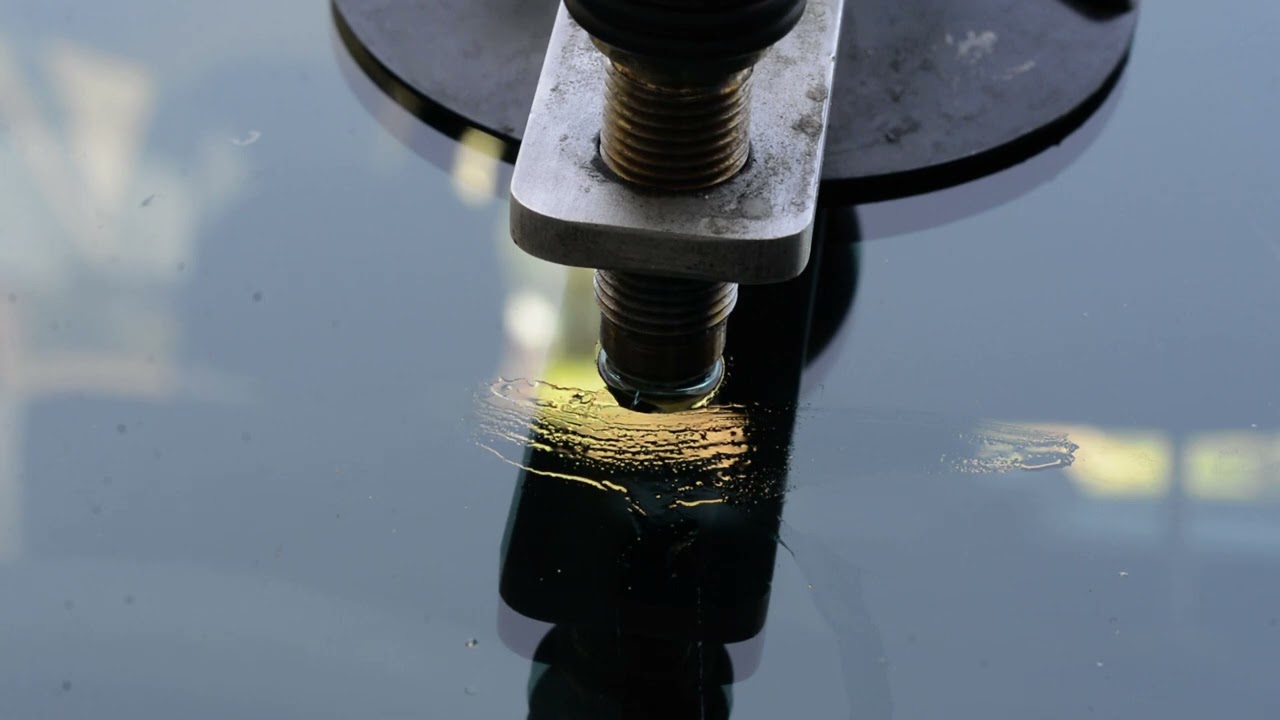
If you catch damage early, Windshield Chip Repair can preserve the original glass and cost a fraction of a new pane. Many chips can be stabilized with a resin injection that stops cracks from spreading and reduces visual distortion. The repair sweet spot is usually under the size of a quarter and not too close to the edge. Chips with radiating cracks, known as star breaks, are often repairable if the legs are short. Long cracks, typically more than six inches, almost always push you toward Windshield Replacement.
Timing matters because weather and pressure changes expand and contract glass. I’ve watched cracks creep an inch overnight during a cold snap. A chip that passes inspection today can fail in a week of hot-cold cycles. Filling a chip early is cheap insurance. Some insurers waive deductibles for chip repairs since it prevents more expensive Auto Glass Replacement down the road.
Replacement becomes the right call when damage is in the critical viewing zone, intersects the edge, or sits in front of a camera or sensor. If the glass already distorts light, you’ll likely fail inspection even if a repair stops the crack from spreading. At that point you’re buying safety and compliance, not just clarity.
The curveball of ADAS and calibration
Ten years ago a windshield was glass and a mirror. Today it can be a bracket for cameras, a mounting point for the rain sensor that talks to your wipers, and a sunload sensor that influences climate control. When a windshield with a forward-facing camera comes off, you enter the world of ADAS calibration. The camera typically needs static calibration in a shop with targets set at precise distances or dynamic calibration on the road with properly marked lanes and specific speeds. Skip this and you can end up with a dash full of warnings, a failed inspection, or worse, driver assistance that behaves unpredictably.
If your vehicle has lane keeping, automatic emergency braking, traffic sign recognition, or automatic high beams, assume calibration is part of Windshield Replacement. Ask your service provider whether they perform calibrations in-house, via mobile equipment, or sublet to a specialty shop. Expect calibration to add time and cost, but see it as part of restoring the vehicle to factory condition. Some states won’t pass inspection if ADAS malfunction lights are on, so this is not an optional step.
How different states draw the lines
Every state writes its own inspection code. Not all states require annual safety inspections, but where they do, the rules about glass are surprisingly consistent. I keep a mental map from years of shepherding cars through inspections across the northeast and mid-Atlantic.
In places like Virginia, inspectors scrutinize anything in the wiper sweep on the driver’s side. They pay close attention to cracks that reach the edge and star breaks in the critical area. Pennsylvania often looks for cracks in the driver’s side wiper arc and forbids any condition that significantly impairs vision. Texas includes a forward visibility provision and often flags sizable cracks and damaged tint bands that peel into the viewing area. States with emissions-only programs, such as California for many counties, still have broader vehicle codes against obstructed view. Even without a yearly safety sticker, you can get cited on the road for obstructed vision or defective equipment.
The details you can count on:
- Line-of-sight zone: most states focus on the driver wiper arc. Damage here draws scrutiny. Size thresholds: chips larger than roughly a quarter and cracks longer than a few inches often fail in the critical zone. Edge cracks: a crack that reaches the edge can compromise structural integrity and is commonly a fail. ADAS: a camera’s view through the glass must be clear; post-replacement calibration can be required by statute or implied by inspection practice.
If you move states or buy a used vehicle with an existing sticker, don’t assume the old pass guarantees a new one. Inspectors apply the rules as they see the car that day. A winter’s worth of freeze-thaw can change things fast.
Insurance, cost, and the math of deductibles
Auto glass is a strange corner of insurance. Some policies carry a separate glass endorsement with a zero deductible for repairs and sometimes replacement. Others lump glass into comprehensive coverage with the same deductible as theft or vandalism. Whether you file a claim depends on three levers: your deductible, the replacement cost, and how much you value OEM glass versus aftermarket.
Typical costs for a basic windshield without sensors run in the low hundreds, while camera-equipped vehicles can push past four figures when calibration is included. If your comprehensive deductible is $500 and a quality replacement with calibration is $900, a claim might make sense. If you have a $100 glass deductible or a zero-deductible repair option, don’t hesitate to stabilize that chip. You’re preventing a larger claim later.
Some carriers partner with national networks for Auto Glass Replacement and Auto Glass Repair and will steer you accordingly. That’s fine, but ask about glass quality and calibration. Insist on the correct glass for your trim, including acoustic interlayers or infrared coatings if your car originally had them. A cheap piece of glass can create more cabin noise and confuse rain sensors. There’s a reason the invoice lists all those cryptic options.
OEM, OEE, and aftermarket glass quality
Not all glass is created equal. OEM glass comes from the original manufacturer or an approved supplier to the automaker. OEE stands for original equipment equivalent, essentially a high-quality aftermarket piece that meets the same specifications. Then there’s generic aftermarket. The fit, tint, antenna performance, and sensor clarity can vary. On vehicles with heads-up displays, a mismatched interlayer can produce ghosting. Cameras look through a specific optical zone that needs uniform clarity and thickness.
I’ve had excellent results with OEE from reputable brands, and I’ve rejected aftermarket pieces that distorted gridlines just enough to bother a driver. If you’re replacing a windshield on a car with a camera or HUD, favor OEM or a known OEE that technicians trust for that model. For an older vehicle without sensors, a solid aftermarket windshield can be perfectly serviceable and far cheaper. Your installer will have opinions based on repeat experience that matter more than a label on the box.
Mobile service vs shop: where to do the work
Mobile Auto Glass Repair exists for a reason. A chip repair can be done in your driveway, and you’ll be back on the road before lunch. For full replacements, mobile can work well if conditions allow. Resin and urethane adhesives cure best within specific temperature and humidity ranges. Wind, dust, and uneven parking surfaces add variables. A good tech controls these factors, but a controlled shop environment is ideal, especially for vehicles that need ADAS calibration or require a curing period before road testing.
The safe drive-away time is not a marketing term. Adhesive manufacturers specify it, and it can range from one to several hours depending on the product and conditions. If the shop says wait two hours before driving, they aren’t being cautious for the sake of it. They’re giving the urethane time to achieve enough strength to hold in a collision, which directly affects airbag performance.
What you can do to avoid a failed inspection
A little care and timing go a long way. I’ve had fleet drivers swear by blue painter’s tape and windshields, and it turns out they were onto something. No tape will fix a crack, but shielding a fresh chip from dirt and water before repair gives the resin a clean path and better optical results. Avoid pressure washers and harsh chemicals on a damaged area. Extreme heat or defroster blasts can spread a crack. Park in the shade when you can.
When you schedule an inspection, look at the glass in angled light. Stand outside and position yourself where the inspector will sit. If you already see a prism when sunlight hits a star break, assume they’ll see it too. It’s cheaper to repair or replace before you pay the inspection fee.
How a windshield replacement actually happens
Most drivers never see the steps. A careful technician documents pre-existing damage, protects the paint, removes trim and cowl pieces, cuts the old urethane bead, and lifts the glass. The pinch weld is cleaned and treated for corrosion if necessary. A fresh bead of urethane goes down in a uniform triangular shape to ensure proper compression. The new glass is aligned on locating pins or with setting tools to seat within factory tolerances. Any mirror, rain sensor, and camera brackets are transferred and torqued to spec. After installation, the car sits until the urethane reaches safe drive-away time. For ADAS-equipped vehicles, calibration follows. Good shops clean the inside of the glass thoroughly. Even a thin film of manufacturing residue can blind a camera or confuse a rain sensor.
For older cars, the hardest part is sometimes the cowl panel or brittle clips. For newer cars, it’s the electronics. The principle is the same: restore the vehicle to its original condition so it will pass inspection and keep you safe.
When repair beats replacement, and when it doesn’t
Repair wins when the chip is fresh, small, and outside the critical viewing area. It costs less, preserves the factory seal, and usually takes less than an hour. The optical result improves visibility and removes the stress that threatens to turn a chip into a crack.
Replacement wins when damage sits in your line of sight, reaches the edge, or compromises sensors. It also wins when a prior repair failed or when the glass has multiple chips across the sweep area. A good rule: if you have to think about the damage while driving, you probably need replacement to pass inspection and to drive comfortably.
One quiet benefit: better wiper performance
Drivers ignore this until the first storm after a new windshield. A fresh, true glass surface gives wiper blades a clean path. Old glass accumulates micro-pits from sand and debris. If your wipers chatter or leave streaks at night, it’s often the glass, not the blade. Replacement restores clarity and wiper contact. I replace blades with the glass as cheap insurance, and some shops include a set with the job. It’s a small step that pays off the first time a truck throws slush at your hood.
Practical answers to common questions
Can I pass inspection with a repaired chip? Often yes, provided the repair leaves minimal distortion and sits outside the critical zone. High-quality resin repairs can be almost invisible in daylight and invisible enough for inspectors. If the damage sits dead center and still throws glare, you may fail even after repair.
How long after replacement before inspection? Many adhesives reach safe drive-away strength within a couple of hours, but the glass can continue curing for a full day. For inspections that include road tests or calibration verification, scheduling the inspection the next day is smart. Shops that handle calibration can often perform the entire job and hand you a car ready for inspection same day.
Will a heads-up display still look right with aftermarket glass? It depends. HUDs rely on a specific interlayer to keep the projected image crisp. The wrong glass can cause double images or ghosting. If you have a HUD, ask for OEM or an OEE brand known to match that optical spec for your model.
What about tint strips and inspection rules? Most states allow a factory tint band at the top. If an aftermarket tint encroaches into the viewing area or exceeds legal limits, you can fail inspection. Damage that peels or bubbles in the band can also trip a failure if it obstructs the camera or driver’s view.
Is mobile calibration reliable? Mobile calibration has matured. Many shops use portable targets and can achieve factory specs in a garage or level lot. The key is a level surface, proper lighting, and space to place targets at exact distances. Dynamic calibrations require driving at specified speeds on roads with clear lane markings. If your location can’t meet those conditions, a shop environment is better.
A simple decision framework that respects state rules
If you’re staring at a chip and an upcoming inspection date, this brief checklist keeps you honest:
- Is the damage in the driver’s wiper sweep or directly in front of a camera? If yes, lean toward replacement or at least get a professional opinion quickly. Is the chip smaller than a quarter and away from the edges? Repair it now, before temperature swings force your hand. Does the windshield carry ADAS hardware? Plan for calibration and choose a provider equipped to handle it. Is your insurance glass coverage favorable? Use it for timely repair or correct replacement, ideally with OEM or trusted OEE glass. Do you notice glare or distortion when sunlight hits the damage? Don’t wait. That’s exactly what inspectors see.
The bottom line for inspection success
Passing a state inspection with a damaged windshield is a gamble that rarely pays. Inspectors look for clear, undistorted vision in the driver’s zone and intact glass that protects the structure and supports sensors. Timely Windshield Chip Repair can save money and keep you on schedule. When the damage crosses the thresholds that matter, proper Windshield Replacement with calibration is the responsible move.
You don’t need to memorize a statute book to make the right call. Focus on visibility, structural integrity, and sensor function. Respect the line-of-sight area. Choose quality glass appropriate to your vehicle’s equipment, and work with a shop that treats calibration as part of the job, not an afterthought. Do that, and the inspection sticker becomes a formality rather than a stress test, and the next time sunlight hits your car window replacement Burlington windshield, you’ll just see the road.